"KGB called me a prostitute of America": how Belarus detained Iranian student

Хатере Ходадади / Euroradio
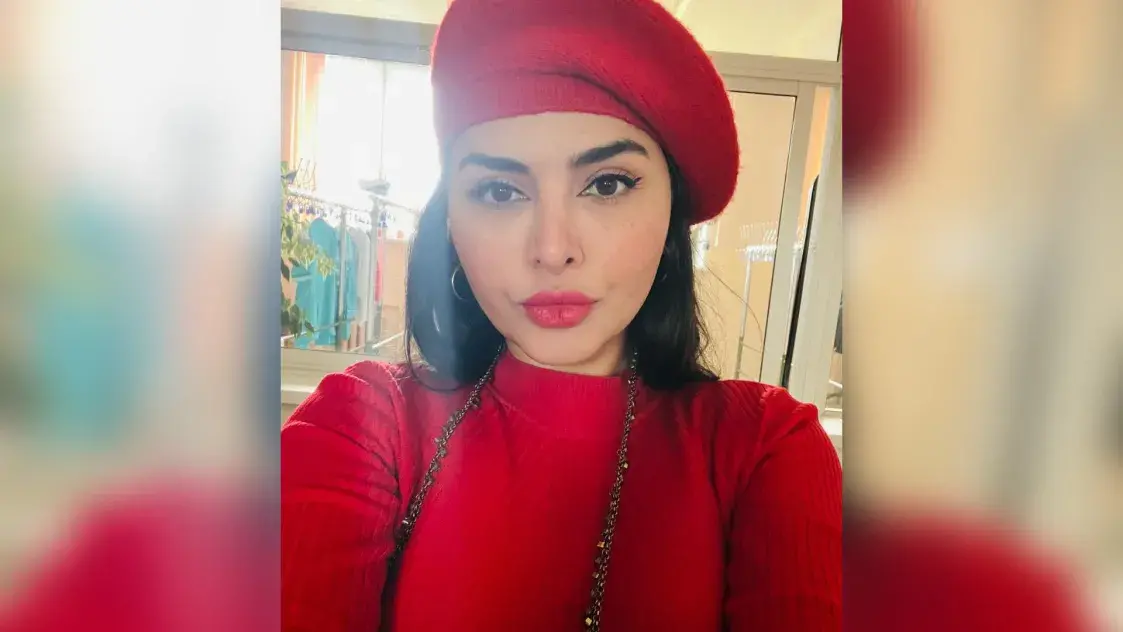
Thirty-three-year-old Khatereh Khodadadi arrived in Minsk three years ago. She says she liked the people and the cool weather. Khodadadi was studying dentistry at the Belarusian State Medical University and says her photograph was displayed on the university's honor board as one of its top students.
"I knew that Belarus and Iran were friendly countries, but I never imagined I could be deported simply for speaking about my own country and my religion," she says.
In mid-May, it emerged that Khodadadi had been sentenced to 15 days of detention over comments she made on social media about the conflict between the United States and Iran.
"I posted messages in Telegram channels for Iranians living in Belarus. But I was most active on Instagram. I shared stories and commented on the war, religion and politics in Iran. I think the embassy noticed this and had the KGB arrest me, claiming that I was 'a threat to Iran's security.'"
She was expected to be released at the end of April but remained in custody. Speaking to Euroradio, Khodadadi said that after serving 15 days in a detention center, she was transferred to a temporary holding facility, where she spent another 30 days awaiting a deportation decision.
"They demanded that I apologize"
Khodadadi says she was arrested at 9 a.m. on April 14.
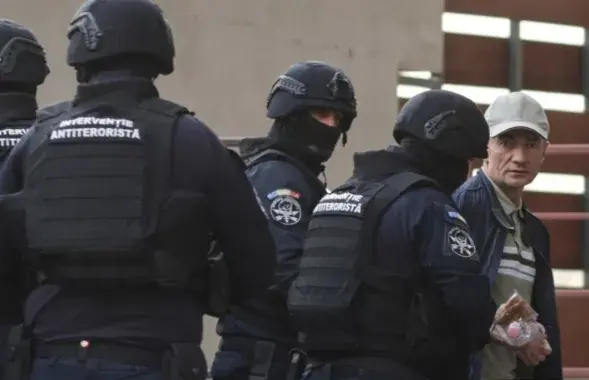
"I was getting ready to go to university when I heard loud knocking at the door. I opened it and saw three men dressed in black with their faces covered, except for their eyes. They did not allow me to wash my face or even touch my phone."
According to her account, she was then placed in a vehicle, blindfolded with a hat pulled over her eyes in layers, and driven for about 20 minutes from her apartment on Pushkin Avenue.
She says she was quickly taken into a building, where the hat and blindfold were removed. The place appeared half-destroyed and did not resemble an official institution. A fourth officer was waiting there. The men identified themselves as KGB officers.
"The interrogation took place on the second floor. The ceiling was damaged, everything was dirty, and the sink did not work. In another room across the hall, the curtains were hanging crookedly and the desks were covered in dust — as if people had worked there long ago and then abandoned it. Even the toilet was broken and filthy. When they took me away, they covered my eyes again, but I noticed a shopping bag from the 'Green' supermarket, so maybe the building was somewhere nearby."
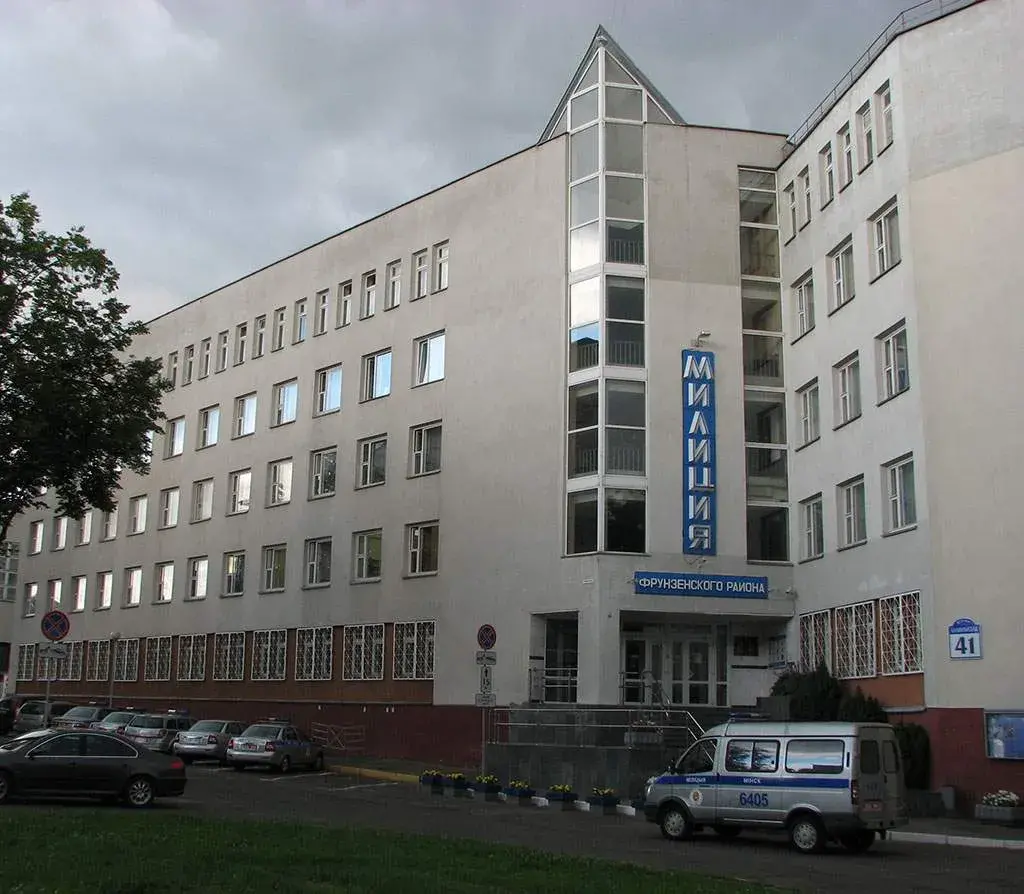
According to the police report seen by Euroradio, Khodadadi, "being a person suspected of committing a criminally punishable act, repeatedly refused lawful orders from KGB officer Captain M. V. Tolkachov to enter a service vehicle for transportation to procedural actions, while behaving in a defiant and aggressive manner."
Khodadadi denies this, saying the allegation could be disproven by security camera footage from outside her apartment building.
"There are cameras everywhere in Belarus," she said.
However, a police officer told her that she would be tried the next day.
She spent the next seven to eight hours in a cold, dirty concrete room before being transferred to a temporary detention facility. The court hearing did not take place until three days later and was conducted by video link. The judge sentenced her to 15 days of administrative arrest and told her she had the right to appeal.
But once she arrived at the detention center, staff allegedly refused to let her write the appeal and treated her rudely.
"I protested. I ended up breaking the cell camera and scratching the officers' necks and arms because I had to defend myself. It was my right to write that appeal, but they would not allow it. After all that, they finally agreed, but it was pointless. They never even read it."
Khodadadi says conditions during her first detention were extremely harsh. Detainees were not allowed to shower and were given no blankets or pillows.
"On the first day I slept on the floor, and there were insects biting me. There were 12 people in a cell designed for four. I was held with alcoholics, drug users, and people with hepatitis and HIV. They told me themselves. There was no hygiene at all. There was one bar of hard soap for everyone. People used it everywhere — in the toilet, in the shower, and to wash dishes.
Cockroaches were also in the food. When I pointed it out, they said, 'Oh, it's just a small cockroach, it's nothing to worry about.' I spent 15 days in that cold and filth, plus the terrible treatment from the police."
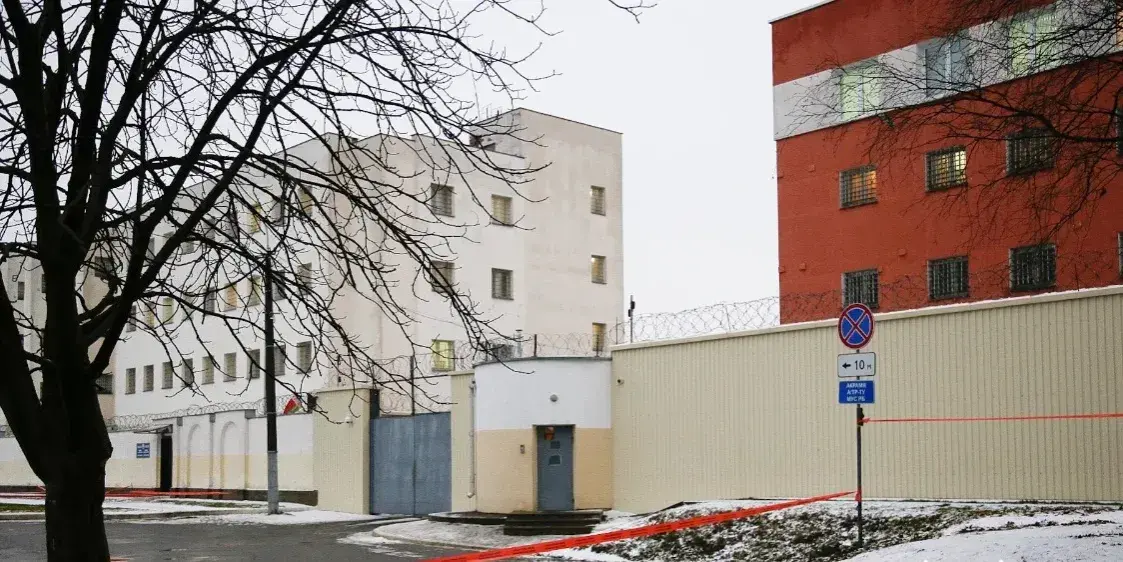
Later, while being held at the detention center, Khodadadi was visited by migration officials. They told her she would be deported for five years. However, when she received her passport at the airport before departure, it contained a stamp banning her from entering Belarus until 2056.
"I asked my lawyer to help me collect my belongings from home, retrieve my university documents, and sell my car. They kept saying, 'Later, later,' and then transferred me to a temporary detention facility for another 30 days. While I was there, I managed to send a letter through a woman who was being deported to Syria. After that, a lawyer finally came to see me."
Khodadadi says conditions in the temporary detention facility were somewhat better. Foreign detainees were allowed to shower twice a week. However, packages and letters were not delivered to inmates.
Earlier, the human rights group Viasna reported that state propagandists had visited Khodadadi in detention to film material about her, but she denies this.
She shared a cell with four Belarusian women arrested over political comments and a photograph, three Ukrainian citizens — one of whom the administration allegedly called a "spy" — one Iranian woman, and two women from Burundi. She alleges that the two Burundian women were beaten so severely they could barely walk, yet were never taken to a hospital and were given only painkillers.
"I will tell the whole world"
Speaking about life inside the cells, Khodadadi says that every new arrival would tell their story. But whenever the conversation turned to Belarusian politics, people spoke in whispers.
"What kept me going was the thought that once I got out, I would tell the world what is happening there. They support terrorist regimes and groups. They arrest Ukrainians for no reason. They keep people in inhumane conditions without proper medical care, as they did to the women from Africa. And they deny freedom of speech in a country they call free."
Khodadadi's documents remain at the university. Through friends, she learned she could retrieve them only after paying a fee. Neither university administrators nor faculty members offered any public explanation to students about what had happened to her.
In mid-May, Khodadadi's deportation process began. According to her, because there were no direct flights from Belarus to Iran, migration officials initially planned to send her to a third country and then onward to Iran. Khodadadi objected, arguing that such a move would violate international law. She warned that being returned to Iran could expose her to torture and execution.
"Then they told me they would send me to another country, and if that country sent me back, they would deport me to Russia and from there directly to Iran. We bought a ticket to Georgia, but Belavia called the person who bought my ticket — or maybe the migration authorities, I'm not sure — and said that if I arrived there, they would send me to Iran and that I would be required to buy a ticket from Georgia back to Iran. After that, my ticket was changed to Armenia, and I left on May 27."
After leaving Armenia, Khodadadi moved to another country but declined to disclose which one, citing security concerns.
"I am in hiding because my passport will expire soon, and I cannot go to the embassy. Everyone who approached the embassy with similar cases had their passports confiscated or was deported to Iran. Soon I will be here illegally. The country I'm in is also a friend of Iran, and if the embassy finds out I'm here, they could request my deportation."
Khodadadi is now trying to relocate to a safe country.
"I contacted the United Nations, but they said they could help me stay here as a refugee. I said that there have already been bad cases with refugees in this country. The authorities are friends with the Islamic Republic and could hand me over. I don't have freedom of speech here either. I'm trying to get human rights organizations to help me move to a free and safe country, but so far nothing has worked. We're still waiting."