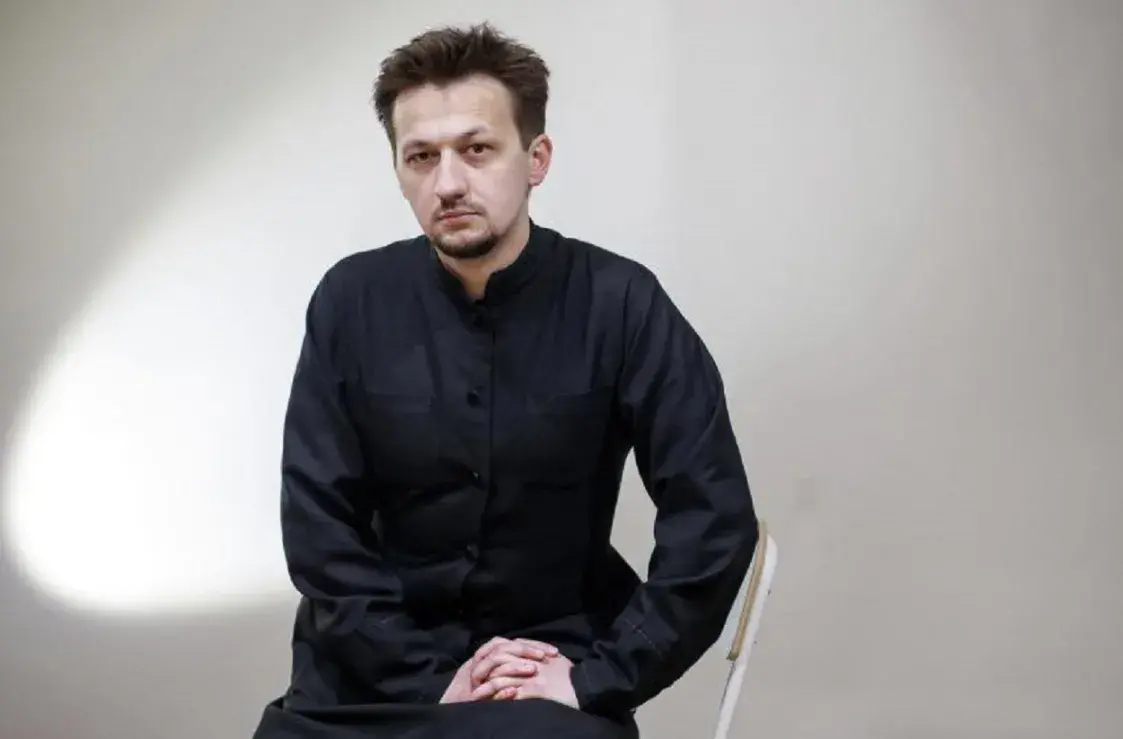
Human rights lawyer Pavel Sapelka describes this as “hybrid persecution”, in which a person moves from a prison cell into a condition of complete legal vulnerability.
“If the state speaks of ‘mercy’ while leaving a person in a legal ghetto, then we are dealing not with the restoration of justice but with a transformation in the form of repression.”
In its research, Viasna highlights long-term legal consequences extending far beyond professional bans.
Property blockade
People included on the "terrorist list" are deprived of the ability to dispose of even property earned honestly before imprisonment. They cannot sell or rent out a car or flat, nor can they legalise buildings on their own land. Any notarial act related to financial transactions is effectively blocked.
The duration of the “stigma”
Few people realise how long these restrictions last. While a person may theoretically be removed from the “terrorist list” once their conviction is expunged, those included on the “extremist list” must remain there for an additional five years after their criminal record is officially cleared. Early removal is almost impossible unless the sentence itself is overturned or amended.
The struggle for a “minimum”
Although the law formally allows “terrorists” to apply for access to funds equal to the subsistence minimum, human rights defenders note that the mechanism for obtaining such permission is entirely opaque and almost non-functional in practice.
Violations of international law and “double punishment”
Viasna’s lawyers point out that such practices directly violate fundamental legal principles, including ne bis in idem—the prohibition against being punished twice for the same offence:
“A person cannot be punished twice for the same thing. If the sentence has been served but the restrictions remain, this amounts to a new punishment without trial.”
From the perspective of international law, financial and social blockade after release from prison constitutes discrimination on political grounds. Instead of facilitating reintegration, the state deliberately pushes people into the “grey” or even “black” economy, turning former political prisoners into outcasts:
“Release from prison with a criminal record entails a range of legal restrictions. But if a person remains on the extremist and/or terrorist lists, then their freedom becomes largely symbolic: physically they are no longer in a cell, but their civil rights remain severely restricted.”
Today, Belarusian human rights organisations insist that the international community should demand not merely the physical release of prisoners, but their full rehabilitation. Without this, leaving prison means exchanging iron bars for social and economic ones: the sentence remains legitimate in the eyes of the system. In contrast, the individual remains a permanent "criminal".
For a former political prisoner in Belarus today, life means a constant choice between risking another sentence for the “wrong smile” during an inspection and abandoning everything—including elderly parents—for the illusion of freedom abroad.
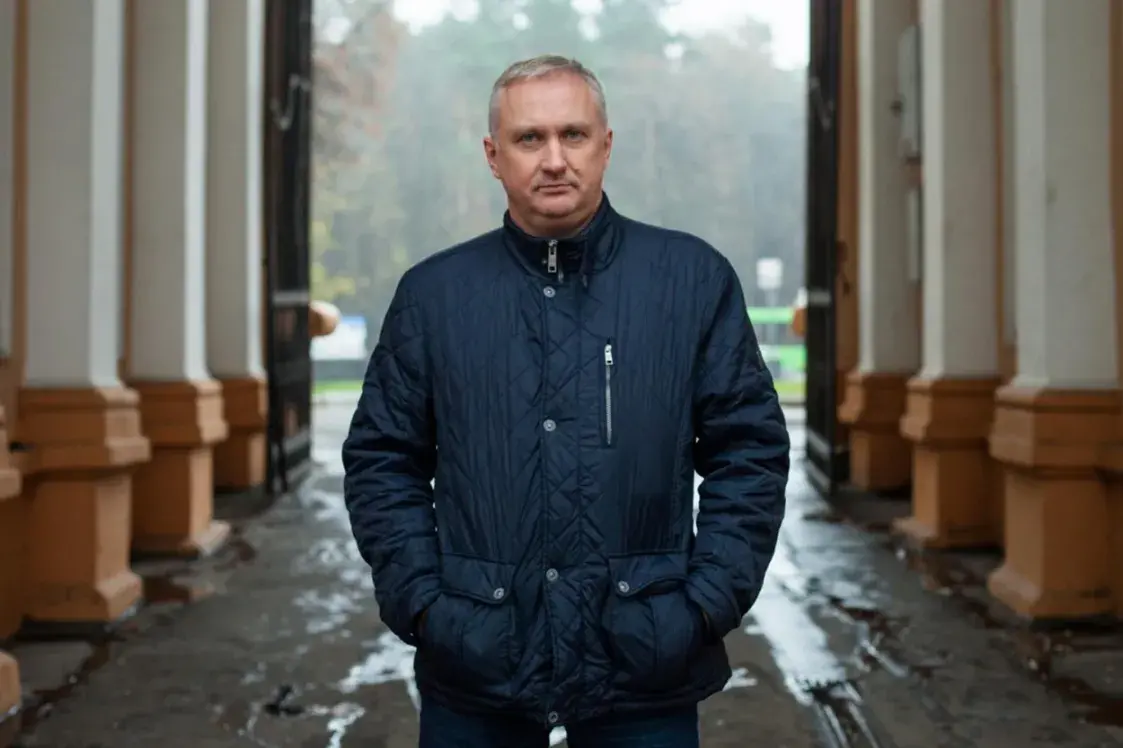
“We are responsible for those we have tamed. We are responsible for those we stand up for. We are responsible for those released because of our word,”reminds BYSOL representative Alyaksandr Kukhta.
Today, that responsibility rests not only with human rights organisations, but also with society as a whole, which must see, behind the statistics, real people trying to learn how to breathe again in a country where even the air remains controlled and conditional.