Kill zones, extended rotations, and robot support: what the war in Ukraine looks like now

Yauhen "Salam" Zhurauski. / Euroradio
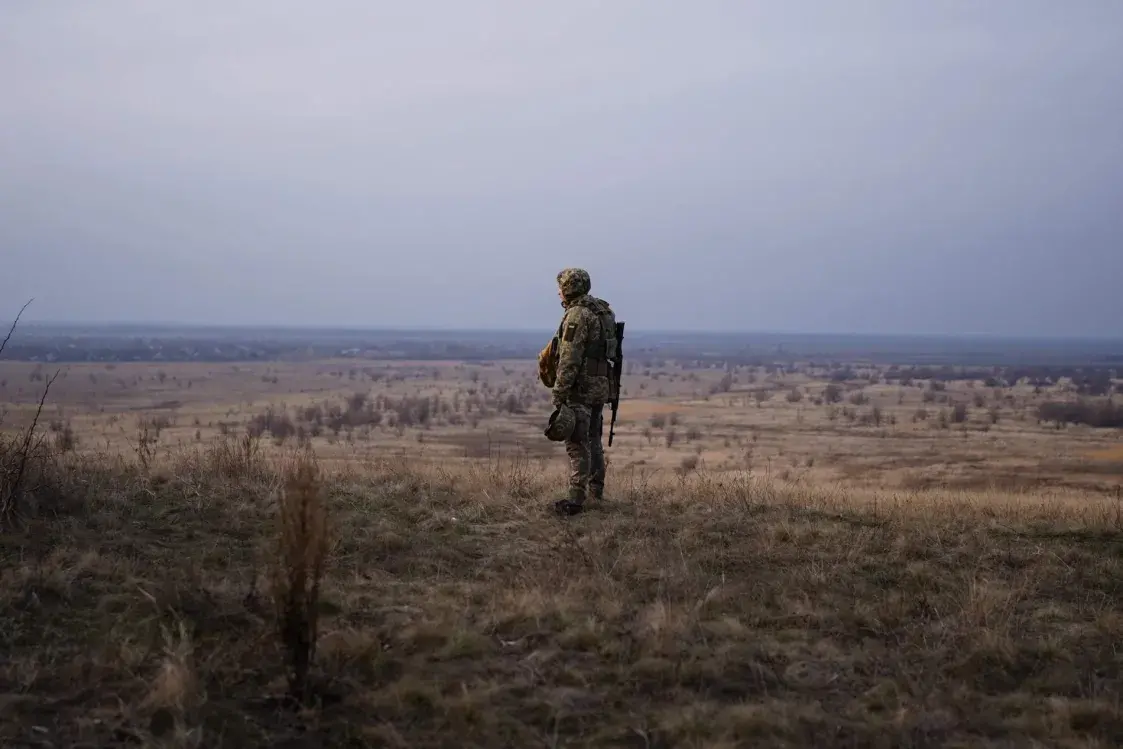
Over four years of Russia's full-scale war against Ukraine, much has changed. While it started with "classic" battles, now it more closely resembles a drone war. This has created difficulties with rotations at positions, and the media increasingly uses the term "kill zone" — a territory where any advancement is extremely risky. If it was about 2 kilometers wide two years ago, it has grown several times since.
About what battles and the front line look like now, Euroradio spoke with Belarusian fighter Yauhen "Salam" Zhurauski from the Kalinoŭski Regiment
What is a "kill zone," and why is it expanding?
The term "kill zone" entered our everyday vocabulary last year, when not only Ukraine but Russia as well began actively using drones. FPV drones started flying not just 5–10 kilometers, but as far as 20–30 kilometers.
What did that change?
Previously, you could set up a position and have several others nearby. That's no longer possible. FPV drones and FPV fixed-wing aircraft simply destroy everything. That kind of concentration of positions no longer exists.
In the past, if you were, for example, a mortar operator, you could move around openly. Now it's almost impossible to work with a mortar at all. Even operating any artillery system from underground carries enormous risks.
This has changed the nature of the war quite dramatically. Tanks are no longer used the way they once were, because a large tank can be easily destroyed by several FPV drones. Positions are now established much farther apart. Fighters essentially bury themselves in the ground and rarely leave unless absolutely necessary.
The same applies to artillery. Eighty-two-millimeter, sixty-millimeter, and even one-hundred-twenty-millimeter mortars are hardly used nowadays.
But the biggest problem created by the kill zone is logistics.
Recently, the Kalinoŭski Regiment published a video showing how we evacuated a group of 300s — Ukrainian military slang for wounded soldiers — from a frontline village.
As recently as the end of last year, I could drive to that village almost casually. Today it's a dangerous place where you can only go in very bad weather. And frankly, not everyone is willing to take that risk.
Infantry usually reaches positions on foot. But now it's not just infantry. Drone operators also walk five to seven kilometers to reach their positions.
What previously took an hour — getting into a vehicle, driving to a point, unloading, and conducting a rotation — can now take several hours or even several days.
Because reaching positions has become so dangerous, some groups choose not to rotate for long periods of time. That's where all those stories about spending 120 days at a position come from.
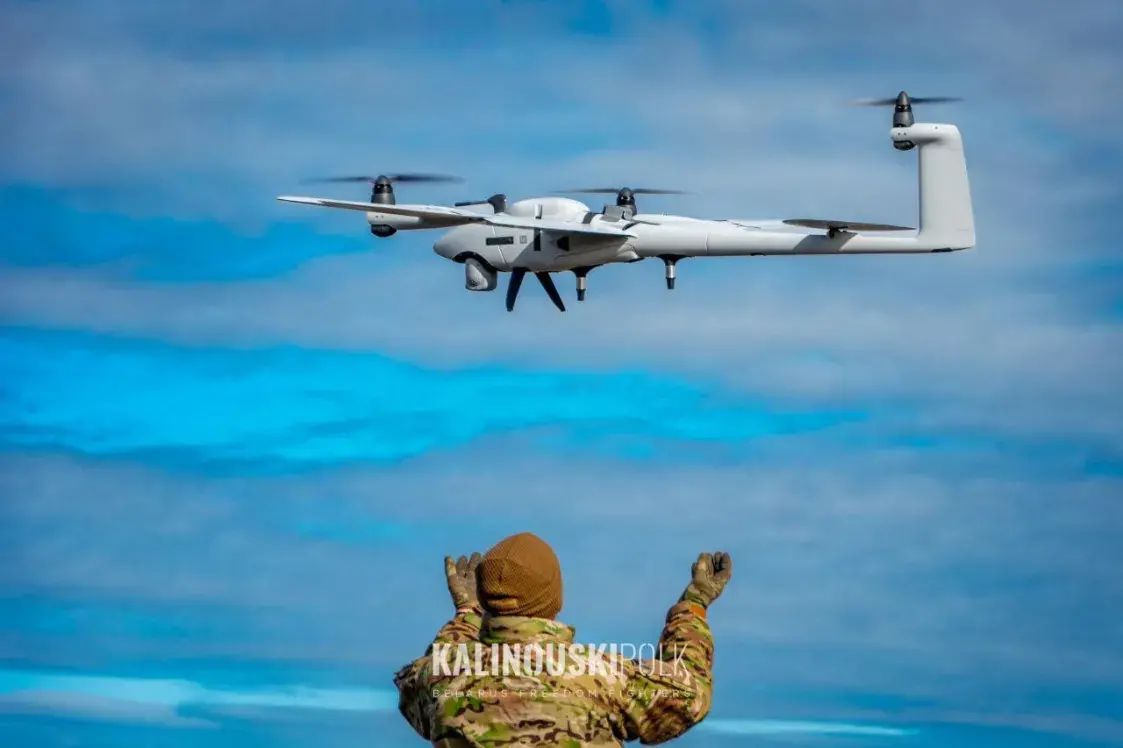
The problem isn't only a shortage of personnel. In many cases, simply remaining at a position — even occasionally engaging Russian troops — is less dangerous than carrying out logistical tasks.
Ground Robotic Systems (GRS) now perform an enormous amount of work. Almost everything is delivered through them. A group that has to walk five, ten, or even fifteen kilometers simply cannot carry everything it needs.
Previously, you could unload supplies from a vehicle, make a couple of trips, and be done. Now people usually reach positions on foot, and GRS units later bring generators, drones, food, and water.
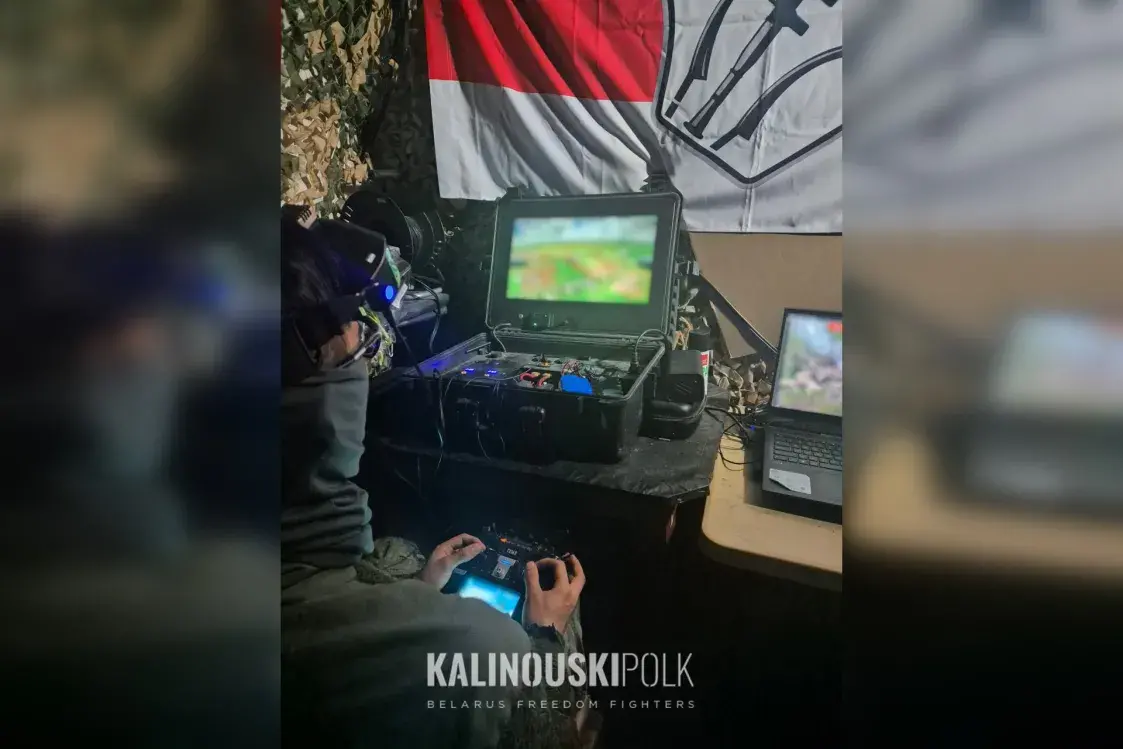
That vegetation allows people to reach positions on foot.
However, positions located ten to fifteen kilometers away from relatively safe areas that vehicles can still access are difficult to reach and even harder to leave.
That's why it's often easier to send someone there for thirty days. Some stay even longer. Among Belarusians, the record I know of is around sixty days, although that was not in our unit.
Unfortunately, that's how people operate now, because leaving them in place is considered safer than sending a pickup truck to retrieve them.
The exceptions are severely wounded soldiers and periods of bad weather.
Most rotations now take place during heavy rain, dense fog, or winter snowstorms. Under such conditions drones see much less effectively and often cannot even take off. That significantly improves a group's chances of survival.
How do people cope with staying at positions much longer than expected?
To be honest, it's difficult for me to answer that fully.
My personal record is sixteen days at a position, and that was back in early 2024, when the drone threat wasn't nearly as severe. At the time, the main problem was simply that our group lacked personnel, and I stayed longer so others could rotate. I had originally been sent there for eight days.
How have ground robotic systems changed the work of medics?
Robotic systems do a tremendous amount of work today.
If a robotic vehicle is destroyed, that's unfortunate. But if a vehicle carrying people is destroyed, that's far worse.
In many cases, robotic systems are used for evacuation as a last resort when someone is trapped in a dangerous situation. Rather than risking additional lives, these robots are sent to rescue people.
I know Ukrainian soldiers who were saved this way.
One man spent seven days crawling toward safety, and a ground robotic system ultimately rescued him because nobody else could reach him. He crawled to a location the robot could access, and it brought him out.
These systems have significantly changed the situation.
Why is the front line moving so little?
Actually, it is moving — unfortunately.
Lately it has more often been moving in our favor and against the Russian side.
The reason is simple: nobody can break through the drone barrier. We struggle with it, and they struggle with it.
The Russians try to solve the problem the same way they did before — through "meat-wave assaults." However, based on what I see and read, the number of such assaults has decreased.
Instead, they increasingly send small groups that infiltrate deep into our positions and then engage drone operators, mortar crews, and artillery personnel.
There have been cases where Russian groups penetrated far into rear areas, only to be discovered and destroyed later.
Last year, near Pokrovsk in the Donetsk region, some groups managed to advance quite far, but they were eventually cut off and eliminated.
What advantages does Russia have, and what advantages does Ukraine have?
Russia's advantages are fairly obvious: the quantity of resources, both technical and human.
Beyond that, however, I think most of their advantages end.
You can't dismiss them as fools, as some people joked in 2022. For example, they were among the first to deploy fiber-optic-controlled drones. But it's clear that they are falling behind Ukraine in technological development.
Ukraine's strengths lie precisely in technology and in support from Western allies, many of whom already possessed advanced technological solutions that are now being used on the battlefield.
Another advantage is that our decision-making system is less centralized.
For Russian units, many actions require direct orders from commanders. Here, decisions are often made at lower levels, making the system more decentralized and flexible.
Is it possible to end the war by winter, as Zelenskyy hopes?
Frankly, neither I nor the comrades I've spoken with believe that.
We all think this war will continue for a long time.
It seems to me that rational decision-making simply doesn't work with our enemies. You can destroy half the population, ruin the economy, and the one person making the decisions will still stamp his feet and shout: "Give me back the empire."
Of course, I wish the war would end sooner.
Honestly, I'm tired. I've had enough of it.
What do Ukrainian soldiers need most right now?
What is truly lacking is people.
Unfortunately, there have been problems with mobilization, and those problems probably still exist.
Many of the people who volunteered at the beginning are either no longer capable of fighting or have been killed.
Many of those who had the opportunity have already left military service.
People simply become exhausted after such a long war.
That remains the single biggest need and the most serious problem facing Ukraine's armed forces today.